

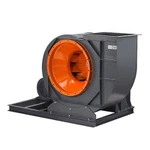


Marine Axial Flow Fan
Why Choose Us?
Quality Assurance
We have more than half a century of production experience, and our products guarantee for ONE year and maintain for LIFE.
Good Service
We provide sincere, high-quality and efficient services.And we will reply to your email as soon as possible.
Reasonable Price
Reasonable price can promote our common development with customers.
Fast Delivery
We have trade with many countries in the world, and our products can be delivered to any place.
Marine axial flow fan is a type of fan used on ships or offshore installations for ventilation and air circulation. It is designed to move air in a straight line parallel to the fan's axis of rotation, which distinguishes it from a centrifugal fan that moves air radially outwards from the fan's axis. Marine axial fans are typically installed in ducts and used to remove stale or contaminated air from enclosed spaces like engine rooms, cargo holds, or accommodation areas. They can also be used to supply fresh air to these areas, depending on the requirements of the ventilation system.


Advantages of Marine Axial Flow Fan
High airflow efficiency
Marine axial flow fans are designed to move large volumes of air in a straight line, parallel to the fan's axis. Axial flow fans generate a significant amount of airflow, making them efficient for applications where high airflow rates are required.
Compact design
Marine axial flow fans have a relatively simple and compact design compared to other types of fans, such as centrifugal fans. This makes them suitable for installations where space is limited as marine axial flow fan sizes have a smaller desired footprint.
Cost-effective
An marine axial flow fan price is generally more cost-effective compared to other fan types. They are simpler to manufacture and require fewer components, resulting in lower production costs. This affordability makes them a popular choice in many industries.
Low power consumption
Marine axial flow fans typically consume less power compared to other types of fans. This energy efficiency makes them economical to operate and can result in energy savings over the long term.
Versatility
Marine axial flow fans can be found in a wide range of sizes, from small desktop fans to large fans. They can be used in various applications, including ventilation systems, cooling electronic components, air circulation in HVAC systems, and cooling machinery or processes.
Easy installation and maintenance
Due to their simple design and fewer components, marine axial flow fans are relatively easy to install and maintain. They are often designed for easy access to the fan blades, allowing for cleaning or maintenance tasks without major disassembly.
Types of Marine Axial Flow Fan
Direct Drive Axial Flow Fans
Direct Drive Axial Flow Fans are an integral part of industrial and commercial ventilation systems, known for their efficiency and reliability. These fans have a motor directly connected to the fan blades, offering high efficiency and lower maintenance requirements.
Belt Drive Axial Flow Fans
A Belt Drive Axial Flow Fan is a type of axial fan where the motor is connected to the fan blades via a belt and pulley system. This configuration allows for flexibility in terms of fan speed and motor placement, making it suitable for environments where a lower fan speed is necessary or where the motor needs to be positioned away from the air stream due to harsh environments.
Short Cased Axial Flow Fans
Short Cased Axial Flow Fans are characterised by its short cylindrical casing, a design feature distinguishes it from other axial fans, which might have longer tubes or casings. The short casing allows for a more compact footprint, making these fans ideal for installations where space is limited.
Ventilation
Marine axial flow fans are widely used in HVAC systems for both residential and commercial buildings. They help to circulate air, remove stale or hot air, and maintain a comfortable indoor environment.
Cooling Electronics
Computers, servers, and other electronic devices generate heat during operation. marine axial flow fans are employed to dissipate this heat and prevent overheating, ensuring the proper functioning of these devices.
Automotive Cooling
In automobiles, marine axial flow fans are often used to cool engines and radiators by improving the airflow over them.
Industrial Processes
Many manufacturing processes generate heat, and marine axial flow fans are used to control the temperature in industrial settings, such as in furnaces, ovens, and welding operations.
Agriculture
Marine axial flow fans are utilized in agricultural applications for grain drying, barn ventilation, and crop cooling.

Components of Marine Axial Flow Fan
Blades
Central to a marine axial flow fan's functionality is the fan blades (or ‘impeller’). These blades can vary in number and are intricately designed with aerodynamic profiles to maximise airflow efficiency.
Hub
The hub serves as the core of the fan, anchoring the blades. It links the blades to the shaft, ensuring they are correctly aligned and stable during operation.
Shaft
The shaft is a pivotal mechanical element that connects the impeller to the fan's motor. As the motor energises the shaft, it rotates the impeller, thus generating a stable and continuous airflow.
Motor
The motor supplies the mechanical power needed to operate the marine axial flow fan. Depending on their specific applications, marine axial flow fans can utilise various power sources, including electric motors, internal combustion engines, or alternative energy sources.
Casing
The casing encloses the fan blades and the motor, helping to channel the airflow efficiently while safeguarding the fan’s internal components. This structural element enhances the marine axial flow fan's overall performance and durability.
Marine marine axial flow fans work similar to an aircraft wing, which possesses an airfoil shape and produce lift. Due to the airfoil shape of the wing, the air above and below it are divided and have different air velocities. This is because the air in above section travels farther than air in the bottom section. The air above has a high air velocity, which produces a high dynamic force and low static pressure. Against this, the air in the below section has low air velocity and produces a high static pressure. These pressure differences create the lift. Now coming to the marine marine axial flow fan, the blades of the propellers act like wings and they push air forward, thereby causing a lift. As a result of this lift, the air is propelled, as well as pushed back. The speed of air continues to increase up to a point even after the air leaves the fan. The airflow is great at the exit than at the entry point.
Marine Axial Flow Fan Design
Marine marine axial flow fan design can be wall-mounted or duct mounted.For seamless airflow, duct fans come with a duct feature.A ring mountable marine axial flow fan moves the flow of air from one huge place to another. Therefore these fans are suitable for bigger areas.A circulator fan comprises rotating impellers that we usually have in our ceiling fans.At low pressure, these fans provide large airflow due to their working order.
The marine axial flow fan blades pull air along with the axis and direct it towards the fan’s axis direction.
Lifespan of an Marine Axial Flow Fan
The lifespan of an marine axial flow fan depends on several factors. However, if you choose a good quality product, you can expect the fan to last for a long time.
This type of fan is ideal for applications that require continuous operation, such as in an exhaust or cooling tower. Fans for this type of application need to be designed for the most efficient operation. They should be made from high quality materials and have a durable design.
Axial fans have a small footprint. They also work quietly and are capable of operating at high temperatures. They can also be easily customized to meet a variety of needs.
They are used in many applications, such as in wind tunnels and cooling towers. They are suitable for a wide range of operating temperatures, from -50 to 95 degrees Fahrenheit.
Flow-related phenomena are often the reason why dominant noises are generated while a marine axial flow fan is running. The fan accelerates the air, sets it in motion and thus provides an air flow. The air is deflected on the fan's blades. The more powerfully this is deflected, the more pressure the fan can provide. Swirling or turbulence of the air occurs at various points on the fan (leading and outlet edge, head gap or surface). In addition to the operating point, their appearance and characteristics are also significantly dependent on the installation situation.
However, an optimum blade geometry design can significantly improve the various flow situations and thus reduce sound radiation. When it comes to developing optimum fan aerodynamics, biomimetics can provide innovative approaches to improving efficiency, noise development or operating behaviour.

Feature of Marine Axial Flow Fan
Corrosion resistance
Marine axial fans are typically made with materials that can withstand exposure to saltwater and other corrosive elements.
01
Durability
They are designed to withstand harsh marine environments, including high humidity, salt spray, and extreme temperatures.
02
High efficiency
The axial fan design allows for maximum airflow with minimal energy consumption, making them an energy-efficient option for marine ventilation.
03
Low noise levels
Marine axial fans are engineered to produce minimal noise, which is important in enclosed marine environments where noise can be a nuisance or a safety hazard.
04
Easy installation
Many marine axial fans are designed for easy installation and maintenance, with simple mounting systems and easy access to internal components.
05
1. Technological Advancements
Advancements in technology have led to the development of more efficient and intelligent axial fans. Variable frequency drives (VFDs) allow for speed control, optimising energy consumption and reducing noise levels. Additionally, motor design and materials advancements have contributed to improved efficiency and longevity.
2. Smart Fan Systems
Intelligent fan systems utilise sensors and advanced control algorithms to monitor fan performance, predict maintenance needs, and optimise energy use. These systems can detect anomalies, automatically adjust fan speed based on real-time conditions, and provide valuable data for predictive maintenance.
3. Sustainable Practices
As sustainability becomes an increasingly important consideration in industrial operations, manufacturers focus on developing eco-friendly axial fans. This includes using energy-efficient components, incorporating recyclable materials, and implementing sustainable manufacturing practices. By choosing sustainable axial fans, industries can reduce their environmental impact while maintaining optimal ventilation and cooling capabilities.
Installation and Maintenance Tips of Marine Axial Flow Fan
Professional installation ensures that the fan operates efficiently and minimises the risk of premature failure. Follow manufacturer guidelines and recommendations for installation, including proper alignment, securing the fan to a stable foundation, and ensuring adequate clearance for airflow. Additionally, consider the orientation of the fan blades to ensure they are positioned correctly for optimal performance.
Regular maintenance is crucial to keep marine axial flow fans operating at peak performance. Here are some critical maintenance tasks:
Cleaning: Regularly clean the blades and housing to remove dust, debris, and other contaminants that can affect performance. Use a soft brush or compressed air to clean hard-to-reach areas.
Lubrication: Lubricate the motor bearings as per the manufacturer’s recommendations to reduce friction and ensure smooth operation.
Inspection: Regularly inspect the fan for any signs of wear, such as loose blades, cracks in the housing, or abnormal vibrations. Address any issues promptly to prevent further damage.
Belt and Drive Maintenance: If the fan operates using belts or drives, inspect them regularly for wear and proper tension. Replace worn belts and ensure proper alignment to maintain optimal performance.
Despite proper maintenance, issues may arise with marine axial flow fans. Here are some common problems and their possible solutions:
Vibration: Excessive vibration can indicate misalignment or imbalanced blades. Check for loose fasteners, worn bearings, or debris stuck in the fan. Correct any issues and ensure proper alignment.
Noise: Unusual noise can be caused by damaged or worn blades, loose components, or improper clearance. Inspect and tighten all fasteners, replace damaged blades, and ensure proper clearance between the blades and the housing.
Overheating: Overheating can occur due to obstructions in the airflow or motor issues. Check for any blockages in the fan or ductwork and ensure the motor is running smoothly. If necessary, consult a professional technician for further inspection and repairs.
Always prioritise safety when working with marine axial flow fans:
Electrical Safety: When installing or maintaining an axial fan, ensure proper electrical safety measures are followed. Disconnect power sources before working on the fan, and use appropriate personal protective equipment (PPE).
Lockout/Tagout Procedures: If working on a fan as part of a more extensive system, follow lockout/tagout procedures to prevent accidental startup and ensure the safety of maintenance personnel.
Fan Stability: Ensure the fan is securely mounted and stable to prevent accidents. Follow manufacturer guidelines for fan installation and use appropriate mounting hardware.
Proper Ventilation: When working in confined spaces or areas with poor ventilation, take necessary precautions to ensure a safe working environment. Adequate ventilation and exhaust systems are essential to remove any harmful gases or fumes generated during maintenance activities.
Our factory is one of the witnesses of the development history of Qingdao's small-scale industry. Qingdao is an economically developed coastal city in China, with superior geographical location, which has created good conditions for our factory's cargo transportation. Due to the market demand for our products, we have expanded throughout China and have been opened to the global market. Dehongli was officially certified by China government. We are the member of China Fan Association, the national high-tech enterprise and the three-level enterprise of safety production standardization.

Our Certifications
Qingdao Dehongli Machinery Co., Ltd's marine-type fan have been recognized by CCS, BV, GL, DNV, LR, ABS, NK, KR, RINA, IRS and other classifcation societies.

Ultimate FAQ Guide to Marine Axial Flow Fan